
US Scraps $15,000 World Cup Visa Bond for International Fans
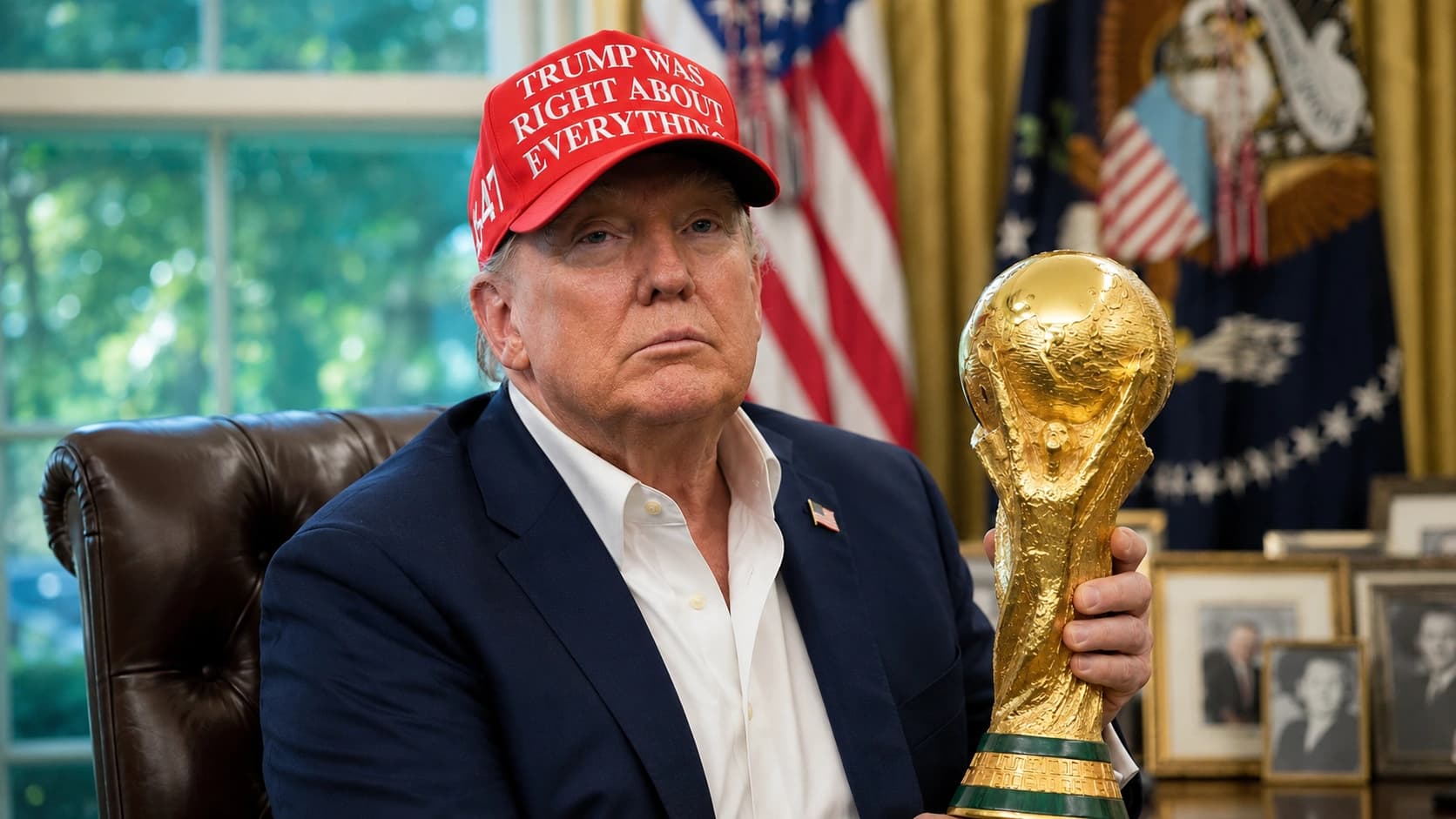
WASHINGTON: The Trump administration just made a major move for football fans heading to the United States this summer. Foreign visitors from 50 countries subject to a $15,000 visa deposit requirement will now get a waiver but only if they hold valid World Cup match tickets.
Assistant Secretary of State for Consular Affairs Mora Namdar confirmed the decision in a statement to the BBC. "We are waiving visa bonds for qualified fans who bought World Cup tickets," she said.
These individuals hail from a total of 50 nations that were once required to pay the hefty refundable bond in order to secure their visa for entry into the United States. A total of five of these nations – Algeria, Cabo Verde, Ivory Coast, Senegal, and Tunisia have gained qualification for the upcoming FIFA World Cup to be hosted by these three countries starting June 11.
Why This Bond Existed in the First Place
WASHINGTON: The Trump administration just made a major move for football fans heading to the United States this summer. Foreign visitors from 50 countries subject to a $15,000 visa deposit requirement will now get a waiver but only if they hold valid World Cup match tickets.
Assistant Secretary of State for Consular Affairs Mora Namdar confirmed the decision in a statement to the BBC. "We are waiving visa bonds for qualified fans who bought World Cup tickets," she said.
Also Read: Pakistani Footballer Tufail Shinwari Eyes Europe Move as Ferencváros Shows Interest
These individuals hail from a total of 50 nations that were once required to pay the hefty refundable bond in order to secure their visa for entry into the United States. A total of five of these nations – Algeria, Cabo Verde, Ivory Coast, Senegal, and Tunisia – have gained qualification for the upcoming FIFA World Cup to be hosted by these three countries starting June 11.
Why This Bond Existed in the First Place
The $15,000 bond requirement launched last August as a 12-month pilot programme. The State Department designed it to tackle visa overstays and flag cases where "screening and vetting information is considered deficient." Visitors would receive the money back after leaving the US on time.
The policy formed part of the Trump administration's broader immigration crackdown. Players and coaches earned exemptions from the start, but regular fans with confirmed tickets remained subject to the rule — until now.
FIFA Welcomes the World Cup Visa Bond Waiver
This move was hailed by FIFA, which called it evidence of good cooperation between FIFA and the White House. According to FIFA, the decision is an example of "continued cooperation to make the event a success, a world record, and one that will be remembered forever."
Who Still Faces Restrictions
People traveling from Iran and Haiti will not be allowed to enter the US in any case. Athletes and trainers from these countries can still benefit from an exemption for the World Cup. However, regular fans cannot be granted exemptions. People from Ivory Coast and Senegal will have a different scenario as both countries were qualified to participate in the World Cup, but they partially fall under the US travel ban. Supporters from those countries should verify their status carefully before booking travel.
The visa bond waiver removes one barrier, but other concerns linger for international visitors. It was only late last year that the US government warned it could force travelers from many different nations to hand over their five years of social media history before entering.
The new travel restriction, say rights groups, can put travelers at risk of not being admitted, racial profiling, extensive monitoring, and even arrests.
If you hold a valid World Cup ticket and come from one of the 50 affected countries, the financial burden of the visa bond disappears. That removes a significant obstacle for millions of potential visitors. However, fans should still research social media screening policies and check whether their country falls under any travel bans before making firm plans.
The World Cup arrives in North America this June. For most fans, the path just got a little clearer.
The $15,000 bond requirement launched last August as a 12-month pilot programme. The State Department designed it to tackle visa overstays and flag cases where "screening and vetting information is considered deficient." Visitors would receive the money back after leaving the US on time.
The policy formed part of the Trump administration's broader immigration crackdown. Players and coaches earned exemptions from the start, but regular fans with confirmed tickets remained subject to the rule — until now.
FIFA Welcomes the World Cup Visa Bond Waiver
This move was hailed by FIFA, which called it evidence of good cooperation between FIFA and the White House. According to FIFA, the decision is an example of "continued cooperation to make the event a success, a world record, and one that will be remembered forever."
Who Still Faces Restrictions
People traveling from Iran and Haiti will not be allowed to enter the US in any case. Athletes and trainers from these countries can still benefit from an exemption for the World Cup. However, regular fans cannot be granted exemptions. People from Ivory Coast and Senegal will have a different scenario as both countries were qualified to participate in the World Cup, but they partially fall under the US travel ban. Supporters from those countries should verify their status carefully before booking travel.
The visa bond waiver removes one barrier, but other concerns linger for international visitors. It was only late last year that the US government warned it could force travelers from many different nations to hand over their five years of social media history before entering.
The new travel restriction, say rights groups, can put travelers at risk of not being admitted, racial profiling, extensive monitoring, and even arrests.
If you hold a valid World Cup ticket and come from one of the 50 affected countries, the financial burden of the visa bond disappears. That removes a significant obstacle for millions of potential visitors. However, fans should still research social media screening policies and check whether their country falls under any travel bans before making firm plans.
The World Cup arrives in North America this June. For most fans, the path just got a little clearer.




Leave a Reply
Your email address will not be published. Required fields are marked *