ISLAMABAD: Pakistan is set to be revealed as the most vulnerable economy of the Asia Pacific region in case of any further prolongation of the current Middle East imbroglio. A recent forecast by S&P Global Market Intelligence claims that the convergence of a precarious external financial position, dependence on imports for energy supply, and restricted fiscal flexibility would result in mounting macro financial stress soon.
The detailed report highlights a rather bleak picture regarding the South Asian economy. How geopolitical tensions persist in the Middle East continue to pose challenges to international energy security and shipping routes is made quite clear in this context.
S&P Pakistan Economy Warning Raises Alarm Over Middle East Conflict
Given the increasing risks of such external shocks, S&P Global Market Intelligence has revised downwards their economic projections concerning the country. According to the firm, real GDP growth in Pakistan will slow to just 3.2 percent during the fiscal year of 2027. Even more ominous, experts are very concerned about the risks to the economic path ahead, being overwhelmingly towards the downside.
| Macroeconomic Indicator | S&P Global Forecast (FY 2027) | S&P Global Forecast (FY 2027) |
| Real GDP Growth Rate | 3.2% (Slowing Down) | Heavily Tilted Downside |
| Energy Dependency | Critical Vulnerability | Crude Oil Supply Disruptions |
| External Account Balance | High Exposure | Remittance Inflow Volatility |
The Core Vulnerability: Over-Reliance on Gulf Economies
The driving force behind Pakistan’s extreme vulnerability stems directly from its profound systemic dependence on Gulf cooperation council (GCC) economies. This reliance manifests in two major areas:
- Energy Imports: Pakistan currently imports almost the entirety of its crude oil requirements directly from Middle Eastern suppliers, leaving its domestic supply chain instantly exposed to regional blockades or refinery disruptions.
- Financial Lifelines: The national economy relies heavily on the steady influx of foreign remittances which millions of expatriate Pakistani laborers working across the GCC region send home annually.
“The structural alignment of Pakistan’s economy means that any shock in Riyadh, Doha, or Abu Dhabi sends immediate shockwaves through Islamabad’s financial regulatory framework,” noted a regional market specialist.
Analysts Identify Economic Challenges on Multiple Levels
Financial analysts and market strategists point out that any prolonged disturbance or escalation in the conflict scenario in the Middle Eastern theater would result in an instant crisis back home. There are a series of economic problems that would follow.
Also Read: SBP Projects Pakistan Economy to Grow Up to 4.75% in FY26 Despite War Risks
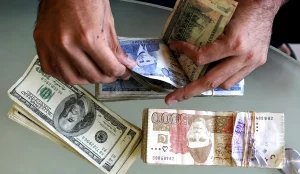
For starters, international oil prices would increase, raising the price of fuel domestically, leading to an increase in the cost of imports for the country. This problem would not only affect the balance of payments but would also lead to inflation and devaluation pressures on the Pakistani Rupee versus the US dollar.