



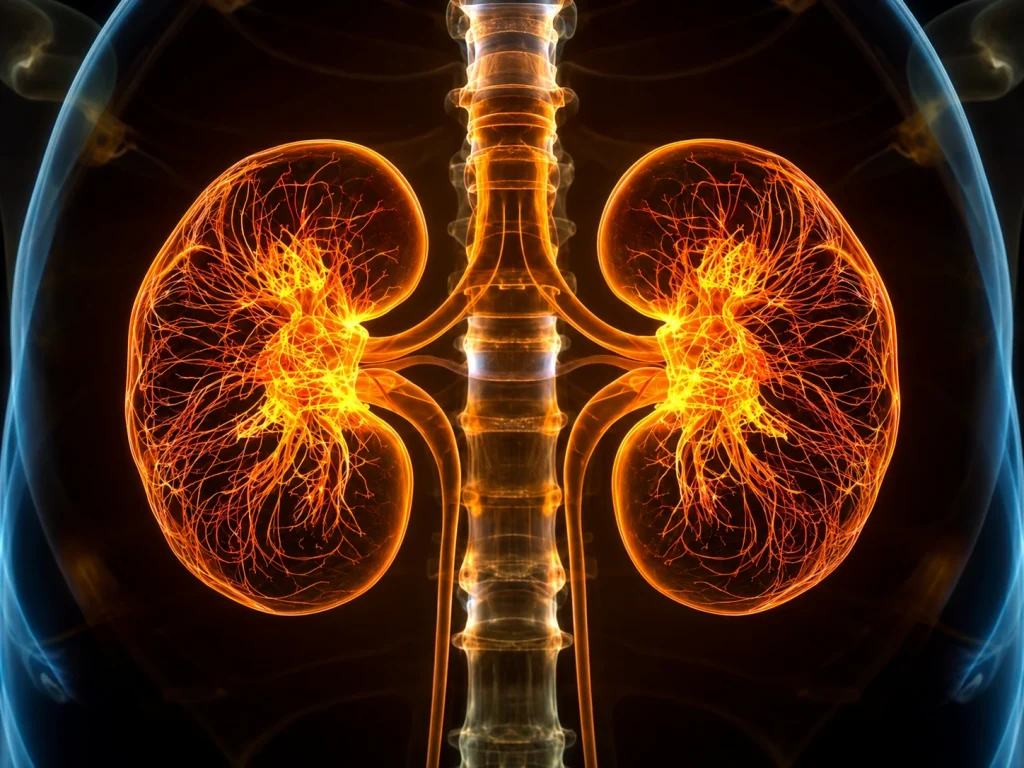
A drug that has been approved for use on humans to help in preventing heart failure through pilot trials seems to activate the same reparative processes in the damaged kidney tissues, making it possible for one drug to be used in treating two major diseases.
An existing drug developed to treat hearts after a heart attack may prove useful for another purpose. Studies carried out at UCLA have found that AD-NP1, which is an existing drug being used in human pilot studies on cardiac medicine for the first time, can also promote kidney repair. This could open up new applications of the drug beyond its initial use on cardiac medicine.
What the AD-NP1 drug is supposed to achieve and what scientists have discovered
The UCLA drug AD-NP1 acts against the ENPP1 protein, which obstructs the body’s ability to heal and leads to incomplete recovery in case of a heart attack. Through inhibition of the ENPP1 protein, the UCLA drug seeks to promote effective repair of heart tissue and prevent heart failure. Scientists studying kidney biopsies of patients with chronic kidney disease have found that there are increased amounts of the ENPP1 protein compared to the normal kidney tissue.
The mouse studies which helped uncover the link between ENPP1 and the kidneys
To determine if ENPP1 also disrupts processes when there are kidney injuries, scientists carried out an experiment on two groups of mice; normal mice and mice that did not have ENPP1. At first, both groups of mice exhibited damage, but after some weeks, the mice without ENPP1 had better healing and kidney function than those that were normal.
Testing of the compound was done directly on AD-NP1. The scientists created damage to the kidneys in healthy mice and applied the drug. After a week, the mice demonstrated enhanced kidney function and regeneration. This outcome directly correlates with how the drug works in the heart tissues.
ALSO READ: Study Finds 20% Higher Diabetes Risk From Eating Fries Three Times Weekly
Reasons why ENPP1 affects both organs
According to Deb, ENPP1 works to impede vital energy pathways used by the cells in their process of repair and regeneration. This biological similarity, as opposed to anything related to the organs themselves, is the reason why blocking ENPP1 works to aid in the process of healing in both the heart and the kidneys. Thus, the connection between the AD-NP1 heart kidney link is not just a coincidence.
Funding and what’s ahead
The development of AD-NP1 has received financial backing by the US National Institutes of Health, the Department of Defense, and the California Institute for Regenerative Medicine – an indication of the high scientific potential of the drug. In light of ongoing human trials being approved for the heart, the kidney results reported in Cell Stem Cell imply that any future trials may potentially consider a dual organ approach, although there will need to be much more research done before considering such a trial.

Nayab Fatima is a university graduate and an emerging media professional with a strong passion for journalism, research, and independent reporting. She specializes in developing well-researched, fact-based, and analytical news stories covering a wide range of sectors, with particular expertise in technology, telecommunications, aviation, and the automobile industry.