


PESHAWAR: Khyber Pakhtunkhwa’s health sector stands to receive its most substantial budget injection in recent years, with the provincial government committing Rs334 billion for 2026-27, a package that expands cashless treatment coverage, pushes hospital infrastructure deeper into rural districts, and puts nearly 2,800 medical professionals on the hiring list before the fiscal year closes.
KP Health Budget Expands Sehat Card Plus
Under the Sehat Card Plus program that enables KP’s people to go to empanelled hospitals at no out-of-pocket cost, an amount of Rs50 billion is allocated from the provincial exchequer – an amount that represents not only an increase in enrollment but also an approach by the government to consider it as an inevitable part of the social safety net.
Medical Teaching Institutions, the referral hospitals of the province, sought Rs80 billion. he government also set aside Rs14.263 billion to keep medicines free at public hospitals, a commitment that district-level health administrators say matters more to ordinary patients than almost any other budget decision
Also Read: Peshawar May Get Aga Khan Hospital as Prince Rahim Promises Major Investment in KP
The development side of the health budget splits into 93 ongoing projects absorbing 82 percent of funds, with new schemes taking the remaining 18 percent. Four infrastructure projects worth Rs11 billion target Basic Health Units and Rural Health Centres the facilities that most KP residents actually reach first when they fall sick. Hospital management reforms, already underway at a number of facilities, will now extend to 72 additional hospitals.
Govt Strengthens Healthcare Infrastructure
The government’s plan is to convert Category-D hospitals into full-fledged teaching hospitals, allocating an amount of Rs 9.9 billion for this purpose. The construction of a new general hospital is planned in Peshawar at a cost of Rs 4 billion in order to address the deficiency of inpatient facilities in the city. Free treatment for cancer is allocated an amount of Rs200 million, while Rs1.355 billion will go to the roadmap initiatives of the health sector.
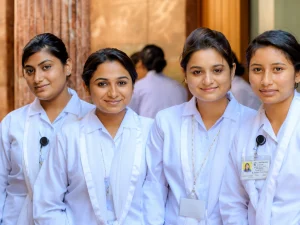
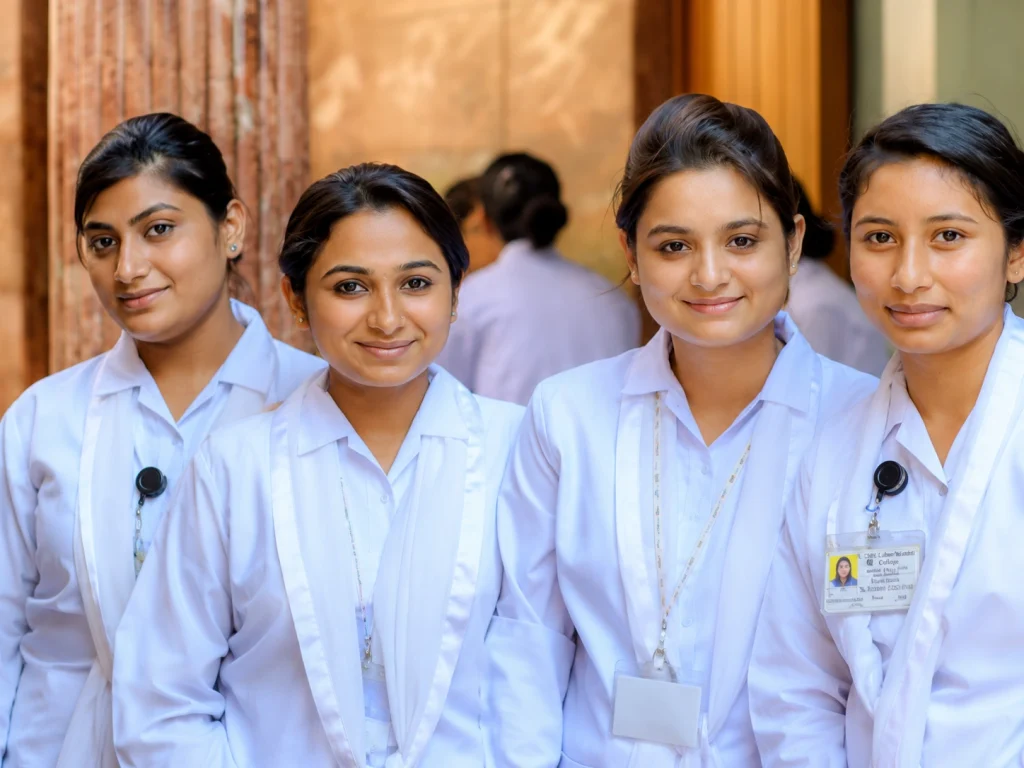
To run these expanded facilities, the government moved early the recruitment process for 2,819 doctors, dental surgeons, and nurses already started, giving the health department a head start on filling vacancies before upgraded hospitals come online.
The strategic logic running through the budget is straightforward: take pressure off the MTIs by strengthening the primary and secondary tiers below them. District Headquarters Hospitals and primary healthcare facilities both get attention precisely because overcrowding at the province’s main teaching hospitals has long undermined their ability to function as specialist centres.
KP has wrestled with a persistent gap between health budget announcements and actual spending on development projects.