

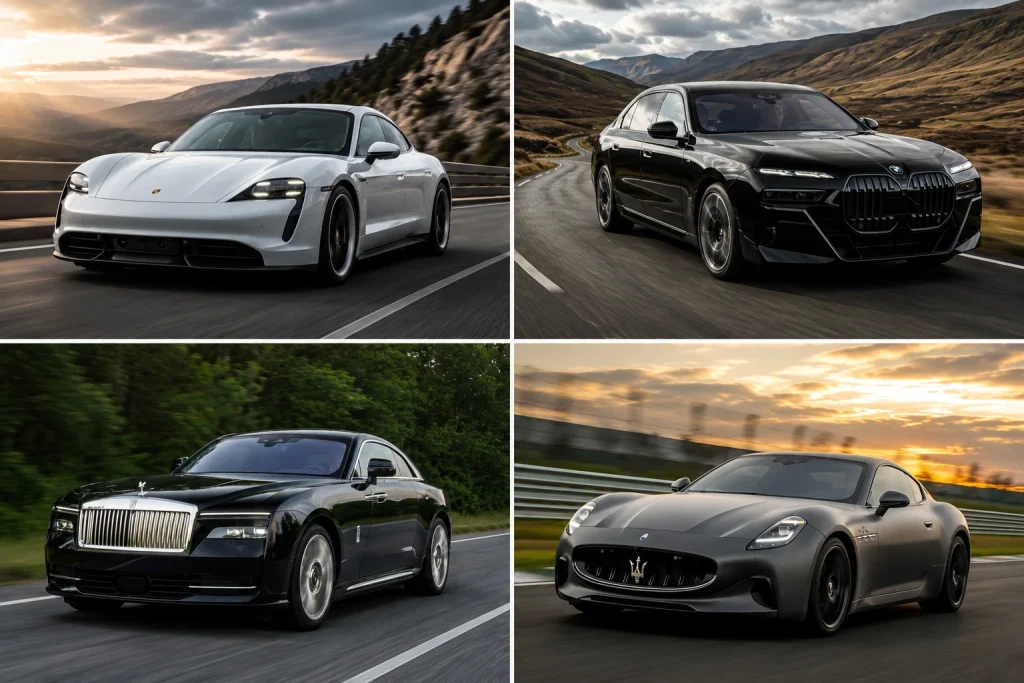
ISLAMABAD: Govt will introduce a new Federal Excise Duty (FED) on luxury electric vehicles from July 1, 2026, as per the budget, which is a paradigm shift in the policy for electric mobility in the country and is causing a lot of controversy among parliamentarians who are concerned that it could hamper the move towards green transport.
Which EVs Will Face the New FED?
As per the officials at the FBR, electric automobiles, SUVs, and pickups worth the same amount or even lower than Rs20 million ($75,000) will be eligible for FED exemption under the proposed budget. A 30% FED would be charged on electric vehicles worth Rs20 million to Rs30 million, whereas a 40% FED would be imposed on EVs above Rs30 million.
Why Lawmakers Oppose the New EV Tax
Lawmakers gathered to review the proposed EV duty, but the discussion quickly expanded into a broader debate over Pakistan’s electric vehicle policy. Lawmaker Shahida Akhtar queried FBR officials about the government’s stand on the establishment of charging facilities for the use of such electric vehicles. She noted that Pakistan’s existing electricity supply conditions compound the problem further.
Also Read: Govt to Scrap 5-Year Age Limit on Used Car Imports
Member Sharmila Farooqi demanded the government settle on a single, coherent EV policy. “Either promote electric vehicles or don’t,” she told officials, questioning the logic of carving a luxury sub-category out of a segment the government publicly champions as a green transition priority.
Member Bilal Azhar Kayani offered a partial defence, noting that even at the new rates, luxury electric vehicles carry a lower effective tax burden than comparable petrol-powered cars — a distinction he said justifies the differentiated treatment.
Member Hina Rabbani pushed back on the entire framing. Electric vehicles already cost more than internal combustion engine alternatives, she argued, and the previous zero-duty regime existed precisely because the technology needed protection to gain market traction.
“An excise tariff of 30%-40%, she noted, makes all of that irrelevant. Moreover, the automotive industry operates quickly – new models are launched every six months – and the policy should take that into account rather than punish it.”
Meanwhile, the government extended tax exemptions for locally assembled EVs and electric two-wheelers until June 30, 2027, as it seeks to support domestic manufacturing while generating additional revenue from expensive imported vehicles.