
ECC Approves Rs255 Billion To Rescue Pakistan's Stalled Exports
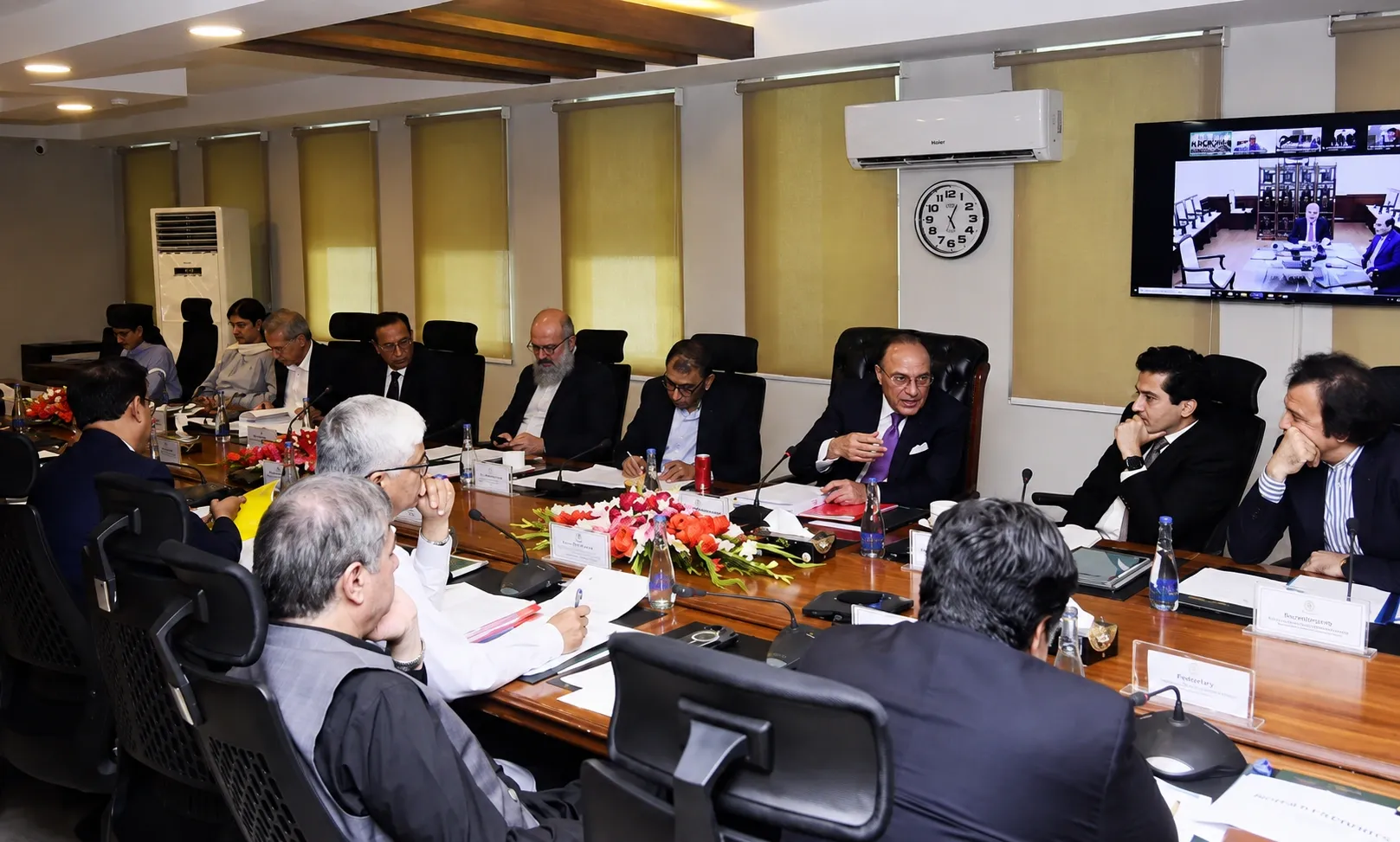
ISLAMABAD: The Economic Coordination Committee has approved subsidies worth Rs255 billion in three different schemes which have been introduced to put an end to Pakistan’s stagnant exports. Export levels have remained stagnant around $30 billion each year despite increasing imports.
The finance minister Mr. Muhammad Aurangzeb was chairing the meeting. The economic coordination committee has further approved a domestic gas tariff of Rs2,000 per mmBtu for RLNG based power generation units, instead of earlier rate of Rs3,500 per mmBtu which became higher due to US-Iran war.
Pakistan Export Subsidies
The finance ministry brought forward three export finance subsidy schemes for approval. The first, an enhanced Export Finance Scheme administered by EXIM, will let exporters borrow working capital for six months at 8.5 percent interest, with the government absorbing the remaining 5 percent of the cost. That arrangement carries a Rs58 billion subsidy this fiscal year, and the ECC expanded the scheme's total portfolio by 50 percent, from Rs1 trillion to Rs1.5 trillion.
Also Read: https://focuspakistan.net.pk/pakistan-builds-powerful-risk-shield-to-unlock-billions-in-sme-export-potential
The second scheme marks something new: the Long-Term Export Growth Financing Facility. It offers exporters loans at just 2 percent interest for the first two years, rising to a fixed 5 percent for the following eight years. The government designed this facility specifically to fund new export-oriented projects, along with the modernisation and replacement of existing ones. Officials expect the scheme to channel around Rs350 billion into the sector, carrying a subsidy of roughly Rs195 billion as the government picks up interest costs of up to 11.5 percent. For the coming fiscal year alone, that subsidy is projected at Rs25 billion.
The finance ministry told the ECC that its predecessor scheme, the E-LTFF, struggled to attract exporters because of its variable interest rate, which left businesses exposed to rate risk they weren't willing to absorb.
The third scheme introduces a performance-based rebate on incremental exports, effective from July 1, at an estimated annual cost of Rs15 billion. Exporters who grow their exports by up to 10 percent over the previous year qualify for a rebate worth 1 percent of that incremental export value. Exporters who exceed 10 percent growth qualify for a larger rebate, worth 2 percent of the incremental value.
On the energy side, the ECC approved a reduced gas tariff of Rs2,000 per mmBtu for indigenous gas supplied to RLNG-based power plants on the SNGPL network during April, May and June, down from Rs3,500. The move helped keep power tariffs in check during a period of LNG shortages, without hurting SNGPL's revenues.
Also Read: Pakistan Records 50%+ Growth in Exports to China
The committee also cleared a supplementary grant of Rs4 billion to cover arbitration expenses tied to multiple international proceedings brought by independent power producers and major utility shareholders.
Together, the approvals reflect Islamabad's attempt to tackle a persistent problem from two directions: cheaper, more predictable financing for exporters, and rewards tied directly to actual export growth rather than blanket support. Whether the schemes move the needle on Pakistan's flat $30 billion export figure will likely take at least a full fiscal year to assess.

Leave a Reply
Your email address will not be published. Required fields are marked *