
Pakistan Food Exports Crash by $2.1 Billion Despite Strong Rice, Meat Sales
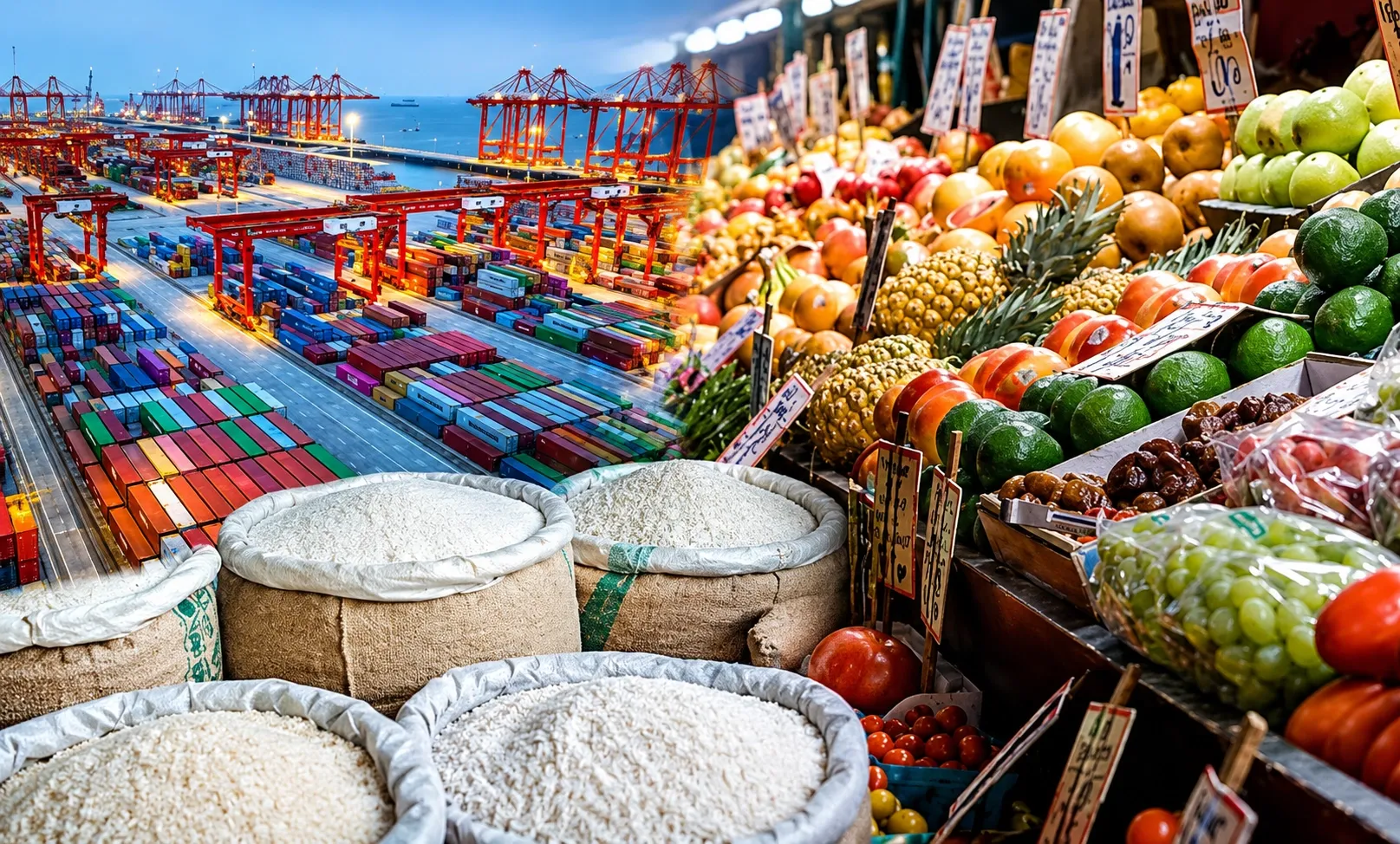
ISLAMABAD: Pakistan food exports took a brutal hit in the last financial year, and the numbers tell a story the country's exporters won't want to repeat.
The country shipped food commodities worth just $5.017 billion in FY 2025-26, down sharply from $7.116 billion a year earlier. That's a 29.49 percent drop, according to fresh data from the Pakistan Bureau of Statistics, a decline that wipes out roughly $2.1 billion in export revenue in a single year.
Rice still carries the sector, even as its earnings soften. Exporters sold 4.282 million metric tons of rice abroad, worth $2.291 billion, making it by far Pakistan's biggest food export earner. Fish and fish products brought in $482.017 million from 215,170 metric tons shipped overseas, while fruit exports generated $308.130 million on 533,382 metric tons sold. Vegetable exports added $162.770 million from 594,104 metric tons.
Tobacco exporters pulled in $142.527 million from 46,669 metric tons, and oilseed and nut shipments earned $260.519 million on 243,019 metric tons. Meat and meat preparations bucked the downward trend entirely: exporters shipped 114,046 metric tons worth $530.245 million, up from $495.109 million on almost identical volume 114,157 metric tons a year before. That makes meat one of the only bright spots in an otherwise grim export report.
Also Read: Pakistan Food Exports Crash 32% to $4.19bn in Ten Months
The real sting comes on the other side of the ledger. While exporters watched their earnings shrink, importers spent more than ever. Pakistan's food import bill jumped 11.66 percent to $9.150 billion, up from $8.195 billion in FY 2024-25. That means the country now imports nearly double what it exports in food commodities a gap that raises hard questions about food security and the rupee's already stretched position against the dollar.
Put the two numbers side by side and the picture gets uncomfortable fast: exports down almost 30 percent, imports up nearly 12 percent, in the same twelve months. Economists tracking Pakistan's external account will likely flag this widening food trade deficit as fresh pressure on the current account, at a time when the government is already juggling IMF conditions and a fragile reserves position.
Also Read: Pakistan Seafood Exports Hit $500 Million
What's driving the export slide isn't fully clear from the PBS data alone global commodity price swings, crop yields, and shifting demand in key buyer markets like the Middle East and Africa could all be playing a role. But the trend is impossible to ignore: Pakistan is buying far more food from the world than it's selling to it, and the gap grew wider this year, not narrower.
For a country that has long branded itself an agricultural exporter, built on rice, fruit, and seafood, the FY 2025-26 numbers land as a wake-up call. Unless exporters can reverse the slide next year, Pakistan's food trade deficit looks set to keep climbing.



Leave a Reply
Your email address will not be published. Required fields are marked *