
Pakistan fuel subsidy scheme will continue in June after Deputy Prime Minister Ishaq Dar approved the fifth and sixth installments for farmers, transporters and motorcycle owners across the country.
ISLAMABAD: Pakistan’s Deputy Prime Minister Ishaq Dar on Wednesday led a review of the government’s fuel subsidy scheme. He instructed officials to pay out the fifth and sixth installments that month. This maintains the usual schedule for transporters, motorcycle owners, and small farmers counting on these biweekly payments.
In April, the government started a scheme because fuel and agricultural costs were skyrocketing. With petrol over Rs458 and diesel over Rs520 per litre, small farmers and transport folks running on tight money felt relieved. Payments happened four times in the last two months, and the recent meeting ensured the next installments stick to the plan.
Fuel Relief for Farmers
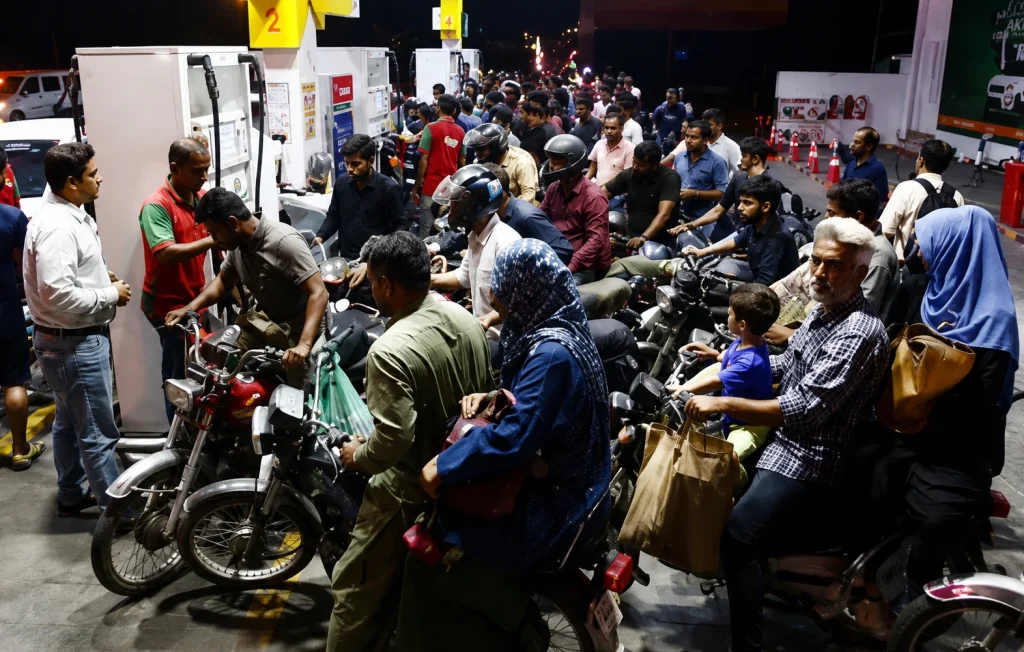
The Rs128 billion programme channels relief through three distinct groups. Motorcycle owners receive up to 20 litres per month at Rs100 per litre for three months, delivered through a dedicated mobile application. Farmers owning under 12 acres get Rs1,500 per acre as a one-time payment, accessible through the Pakistan Asaan Khidmat app and Kissan Cards. Public transport operators draw their subsidy through digital accounts coordinated with the State Bank of Pakistan and provincial governments. Punjab alone reports over one million farmers now holding Kissan Cards, and provinces collectively earmarked around Rs200 billion across their fiscal shares for the programme.
Also Read: Government Retains Electricity Subsidy for 200-Unit Consumers
Dar told the meeting that the mechanism must stay simple, accessible, and transparent the same standard he set when the scheme launched in April. He directed relevant authorities to strengthen accountability frameworks and tighten the grievance redress system so that assistance reaches only verified beneficiaries. He got briefed on coordination with Punjab, Sindh, and Khyber Pakhtunkwa’s chief secretaries, along with Special Assistant to the Prime Minister Tariq Bajwa and the Secretary Petroleum.
Subsidy Schedule
The scheme follows a fortnightly disbursement model, something previous subsidy programs in Pakistan didn’t have. After each payment, the government does fresh verification to curb leakages, which they claim works pretty well.
Furthermore, Chief Minister Sindh SyedMurad Ali Shah declared a Rs3 billion aid package to assist 366,000 small farmers. It covered their diesel expenses while harvesting wheat in April. That provincial injection ran parallel to the federal scheme and signalled that at least one government takes the agricultural pressure seriously enough to act outside the central programme.
The scheme carries political weight that Dar made no effort to obscure. With inflation still grinding against wages and the rupee under pressure, fuel subsidies give the coalition government a tangible delivery it can point to before any election cycle conversation begins. The question the June instalments will answer is simpler: does the money arrive on time, and does it reach the right people.