
The zero-tariff trade relationship between Pakistan and Europe valued at billions of euros has been put under serious review. The EU has clearly stated that further trade agreements depend solely on progress in human and labor rights. While the Pakistani government continues to pressure the EU officials to easily adopt the new trade agreement, the EU has made it clear that only adherence to international governance, environmental protection, and labor conventions will result in duty-free status.
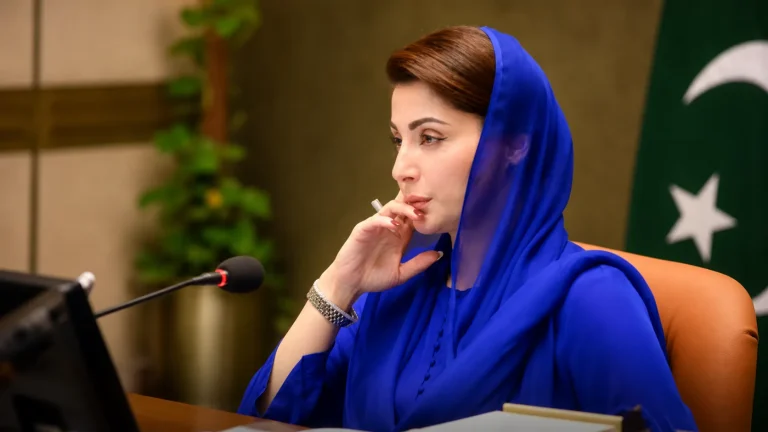
The warning was issued against the backdrop of the extremely important eighth strategic dialogue between Pakistan and the EU in Islamabad. The dialogue was co-chaired by the Deputy Prime Minister and Minister of Foreign Affairs Senator Mohammad Ishaq Dar together with Kaja Kallas, the EU’s High Representative for Foreign Affairs and Security Policy.
Increased Stringent Compliance Measures May Disrupt Important Export Outlets
Preferential trade agreement has played an important role in the economic survival of Pakistan’s manufacturing industry over the past ten years due to the exemption from customs duties on two-thirds of its tariff lines. Consequently, the union has become the largest export destination for the country by surpassing the combined exports to the United States and China. The current value of trade through the agreement stands at €12 billion and greatly benefits the country’s textile industry.
But now, such an automatic renewal of concessions can not be expected. Under the new European regulation, Brussels will require tangible evidence from Pakistan that there is adherence to the treaties by law. According to the European delegation, any future trade privileges for Pakistan in the European Union are contingent only on its legislative progress.
Policy Disputes Dominate Beyond Major Regional Strategic Ambitions
Outside of the main questions Pakistan GSP plus status, other global security concerns such as migration and energy were also discussed at the high-level forum. Prime Minister Shehbaz Sharif, after another session with Kallas, commended the strategic dialogue plan for being an example of mutual benefit. Moreover, Pakistan emphasized its role in mediating between the United States and Iran, and European officials noted that it was key to keeping the situation from escalating into full-blown military conflicts in the Persian Gulf region.
However, this good will geopolitically does not suffice in place of reforms that should be done internally. Although the state wants to use its geopolitical advantage in the region to help it in its trade soft power, it is important to note that representatives from Europe have a very strong barrier between security collaboration and trade laws. In order to get through performance reviews, workers’ rights and factory safety need to be ensured.
ALSO READ: China IBI’s Digital HQ in Pakistan to Unlock $10 Billion China Trade
Structure Defects Show Exports Lack Protection
The ongoing negotiations highlight a grave weakness in the macroeconomic environment of the nation. The fact is that the country has not managed to carry out any profound reforms within its regulatory structure despite making unilateral trading concessions, which have exposed the entire nation’s export system to the abrupt changes made by Western law makers.
In the face of the official efforts by the state to move into the new incentive structure, the regulatory apparatus of the nation now has its hands full when it comes to time constraints. It will no longer suffice to sign international accords as required by Brussels; without drastic changes to their own governance structures and work conditions, the significant economic advantages of the exporters would be lost forever.