


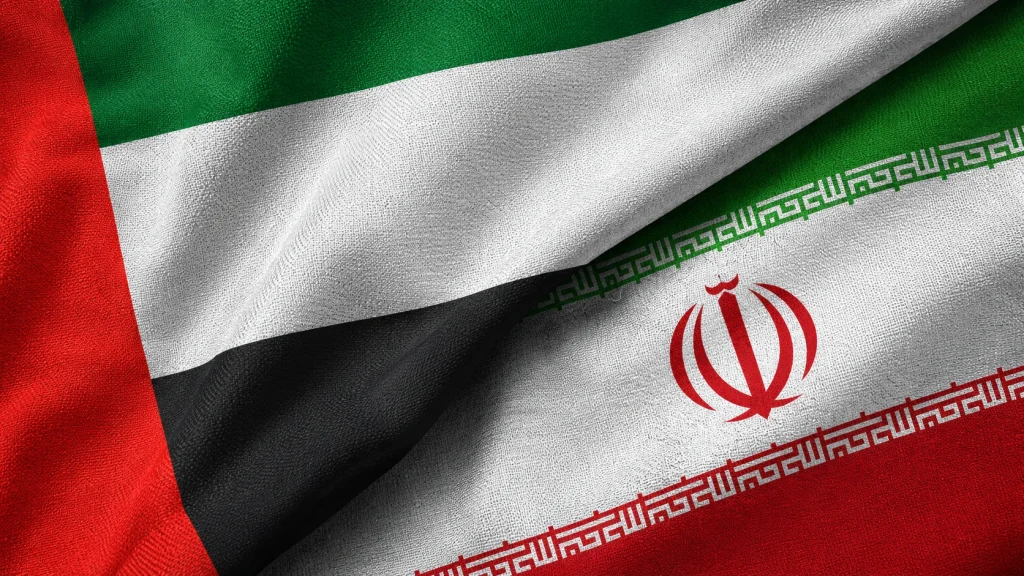
Dubai: (Reuters)- The United Arab Emirates has agreed to transfer billions of dollars to Iran in exchange for Tehran halting its missile and drone attacks on the Gulf state, four sources told Reuters, marking a dramatic behind-the-scenes shift in one of the region’s most volatile relationships.
Two regional sources confirmed the UAE agreed to release a total of $10 billion, with more than $3 billion already delivered. Two additional sources, having firsthand knowledge of the deal, quoted a figure of $20 billion, stating that the move by Abu Dhabi to pay this money came about because of Iran attacking the UAE on several occasions, as part of the ongoing U.S.-Israel conflict against the Islamic Republic of Iran.
UAE Iran Deal Follows Weeks of Missile Attacks
The most recent attacks on the UAE by Iran took place on May 4, when an Iranian missile was fired at Fujairah port located in the Gulf of Oman.
It happened very fast. The revolutionary guards of Iran came to Abu Dhabi just several weeks back, where they met with Sheikh Tahnoun bin Zayed al-Nahyan, national security adviser and deputy ruler of Abu Dhabi, and stayed in his guest house in Abu Dhabi.
Also Read: UAE Struck by 19 Missiles — Pakistan Breaks Silence with Strong Warning
UAE Pushes De-Escalation Strategy
A UAE official confirmed the country’s broader intent without addressing the financial transfer directly. “The UAE’s foreign policy is based on encouraging de-escalation and easing tensions within the region, in pursuit of long-lasting peace and stability,” he said.
UAE Iran Deal Unlocks Billions for Tehran
One source described the deal as a diplomatic off-ramp engineered to let all sides claim victory. Iran frames the money as war reparations. Washington insists it paid nothing. Abu Dhabi defends its own borders while maintaining the reputation of Dubai as the best business hub in the region.
In return for the disbursement, Iran agreed to halt attacks on the UAE and rebuild bilateral ties including intelligence sharing and economic cooperation. The same source said Iran approached at least two other Gulf Arab states seeking similar arrangements.
Also Read: Dubai Economic Incentives Package Worth $408 million Launched Amid Gulf Tensions
The financial backdrop makes the transfer legally complex. Dubai’s banks hold substantial Iranian-linked deposits, most of them frozen under U.S. sanctions that cut off any foreign bank transacting with blacklisted Iranian entities from the American dollar-clearing system. Reuters could not determine whether the funds transferred belong to the UAE directly or originate from long-blocked Iranian accounts sitting in the UAE banking system.
The deal also intersects with broader U.S.-Iran nuclear and ceasefire negotiations. Diplomats say the wider talks could unlock tens of billions of dollars in Iranian oil revenues frozen in foreign banks. On Friday, U.S. Vice President JD Vance said any economic benefits for Iran would flow only after Tehran meets its obligations not simply for signing a deal or attending talks.
Iranian authorities did not respond to Reuters’ request for comment.
The attacks earlier in the war drained Dubai’s hotels, drove out expatriates and punched a hole in the emirate’s carefully built image of stability. The UAE-Iran arrangement signals Riyadh-style transactional diplomacy at work money and security traded openly, wrapped in the language of regional peace.