
Pakistan Pharma Profits Surge 17% — API Costs Threaten Gains in Q1 2026
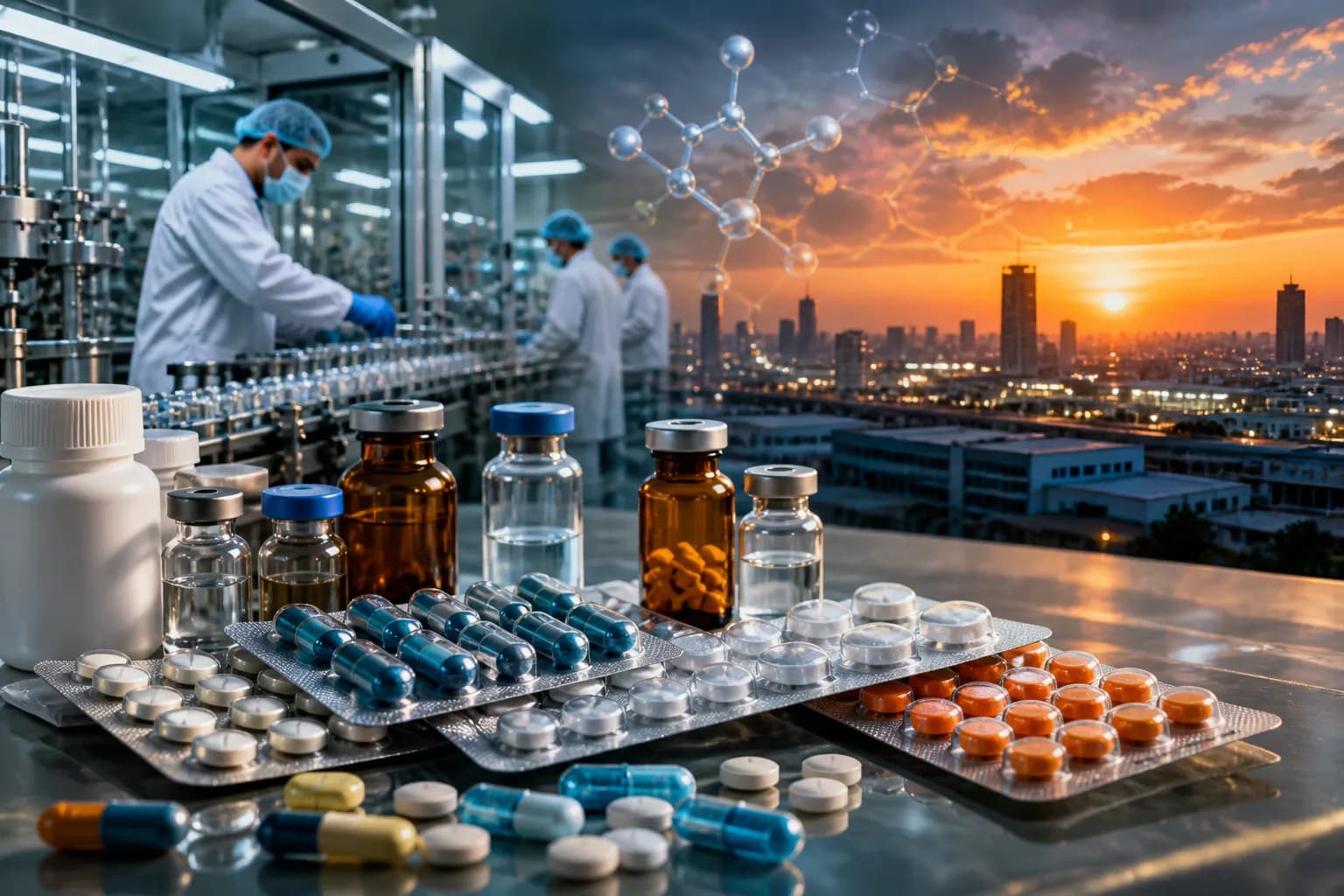
KARACHI: Pakistan pharma profits margin witnessed a good beginning in Q1 2026, registering a rise of 17% on the yearly basis mainly owing to price corrections, favorable demand trends, and lower finance costs. Yet, a huge fall in the sequential performance indicates that some new challenges may emerge for the industry in the near term.
According to the industy data, the total profitability stood at Rs10.1 billion in Q1 2026, showing a marked uplift in its performance over the corresponding period last year. This was possible because of improved pricing levels, consistent production levels, and lower financial costs. In terms of quarterly figures, however, profitability declined by 28%, due to decreased sales and lower other income sources.
Pakistan Pharma Profits Surge on Price-Led Growth
The performance of revenue was still strong. Gross sales stood at 7% YoY to Rs90.6 billion. In Q1 2025, they stood at Rs84.9 billion. This has been attributed to growth in terms of price momentum as opposed to sales volumes alone. Abbott Laboratories led sales with a 20% share, followed by GlaxoSmithKline (19%), Haleon (11%), and The Searle Company (9%).
Also Read: UBL Made Rs48bn in Q1 2026 and Left Every Other Bank Behind
There were also improvements in profitability margins throughout the year. Gross margins were at 43% for the 1Q2026 period, up from 39% recorded in the same period in the prior year, showing the industry’s capacity to increase prices despite rising production costs. Gross margins dropped marginally to 44% in the preceding quarter, suggesting the emergence of higher production costs. Notable firms that reported outstanding gross margins include AGP Limited (58.3%), Highnoon Laboratories (58.2%), and The Searle Company (52.7%).
On the other hand, operating costs showed a mixed performance. Selling and distribution costs soared by 20% year-to-date, reaching Rs17 billion. Administrative expenses, on the other hand, declined 3% annually to Rs3 billion, although they showed a sequential increase of 12%.
A key positive for the sector came from declining finance costs. Finance costs were down by 24% compared with last year, dropping to Rs932 million. Reduced interest costs due to low interest rates as well as lower debt played a part in reducing financing costs.
However, despite this good performance, other income fell significantly, dropping 25% year on year and 53% quarter on quarter, to Rs1.5 billion. The decline was mainly because there were no promotional allowances available.
Taxation remained a significant drag. During the quarter under review, the sector reported an effective tax rate of 40.3%, marginally above last year’s 38.8%. This is a reflection of the substantial tax obligations that the sector is subjected to.
In the near term, the industry participants seem cautiously optimistic about the future performance of the sector. The sector continues to diversify its products as well as improve its distribution channels in order to drive volume growth. However, there are concerns about API prices, which may lead to higher costs for the companies in the sector going forward.
In conclusion, the Pakistan pharmaceutical industry appears resilient, although there are still challenges ahead for the industry to ensure profitability moving forward.
Humanize Text



Leave a Reply
Your email address will not be published. Required fields are marked *