


ISLAMABAD – The International Monetary Fund (IMF) has now officially given its go-ahead to the removal of plans to introduce taxes on solar panels and stationery items, securing a crucial victory for the government of Pakistan before the next federal budget for the financial year 2026-27.
This decision was reached after lengthy talks between Shehbaz Sharif’s government and the IMF. It was the goal of the government to secure this concession to ensure that the middle-class citizens of Pakistan were not adversely affected.
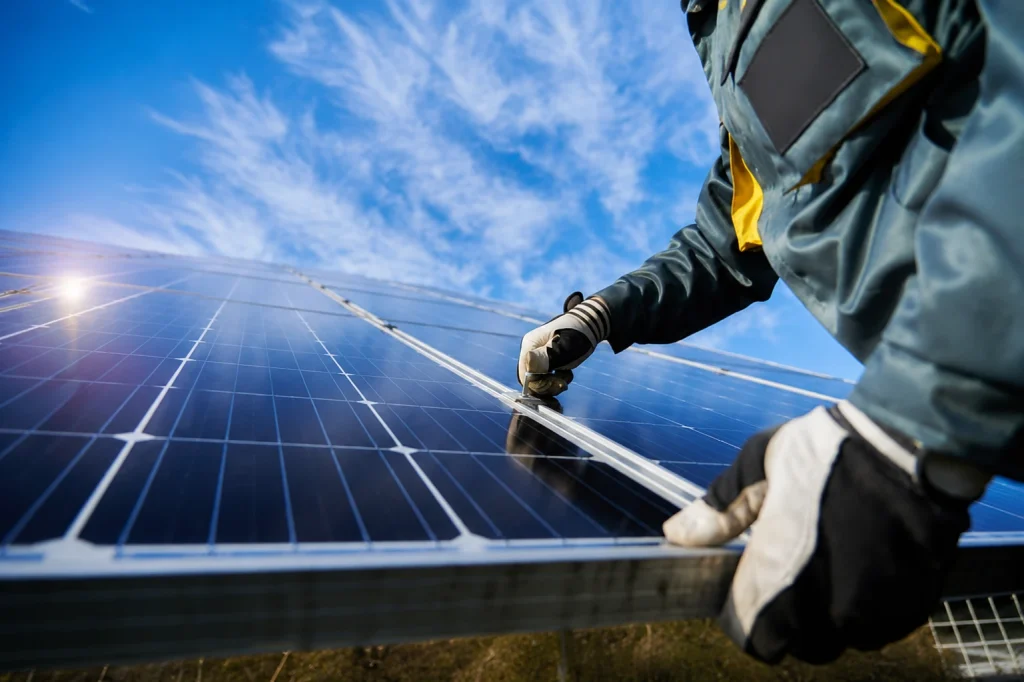
Maintaining the existing tax regime for solar gadgets will indeed be a relief for many people in the country. In the last two years, there have been soaring costs of electricity, which have forced the populace to shift to off-grid solar panels. The tax relief offered by the government is crucial in ensuring that sustainable energy stays within reach of the populace.
In the same way, tax exemptions for stationery items help students. The government views these exemptions as essential social safeguards during a period of rigorous economic reform.
Strategic Negotiations Amid Budget Preparations
Economists consider this trend unusual because the government’s objectives and the IMF’s austerity agenda appear to align on several fiscal measures. Prime Minister Shehbaz Sharif played a pivotal role in supporting this effort, saying that charging VAT on such items would hinder environmental objectives.
Also Read: Solar Panel Prices in Pakistan Jump Up to Rs9,000 Per Panel Before Budget
The IMF, which usually requires a wide range of taxes to guarantee the sustainability of debt, realized the socio-economic danger of making the price of energy and education higher. It is an indication that the IMF has taken a practical stand regarding the budget for the year 2026/27.
Real Estate Sector Negotiations Continue
While the government successfully shielded solar energy and education from new levies, negotiations regarding the real estate sector remain ongoing. The government and the IMF continue to debate the future of proposed tax exemptions within property markets.
The IMF insists on increasing revenue contributions from the real estate industry, which historically operates with significant tax inefficiencies. Finance ministry officials are currently exploring a middle ground that satisfies the lender’s revenue targets without triggering a liquidity crisis in the property market.
Future Economic Outlook
This development provides the government with necessary breathing room as it finalizes the 2026-27 fiscal roadmap. By avoiding taxes on popular consumer goods, the administration hopes to mitigate public backlash against the broader tax-broadening measures required under the current IMF program.
Also Read: https://focuspakistan.net.pk/solar-connection-backlog-pakistan-10-days-disco/
Moving forward, the government must demonstrate consistent performance in revenue collection from other sectors to keep the IMF program on track. The upcoming federal budget will ultimately reveal whether the government can sustain this balancing act while navigating one of the most challenging economic landscapes in the nation’s history.
As the deadline for the budget presentation approaches, all eyes remain on the Ministry of Finance and its ability to secure further concessions for industrial growth and consumer stability.