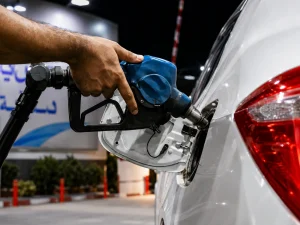


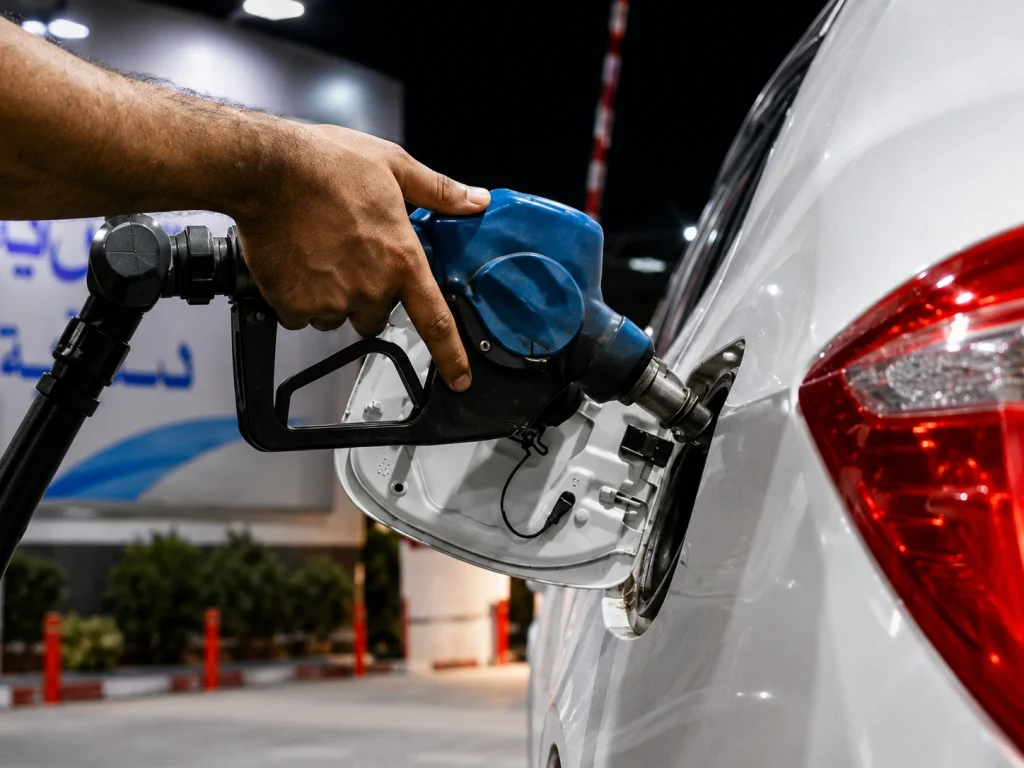
The price of petrol has reduced to Rs 299 per litre, while HSD is now available at Rs 311 per litre, with the decrease being attributed to reduced global crude oil prices and reduced pressure from the external environment, with the cost having peaked this year at more than Rs 458 per litre.
Pakistanis were provided the largest respite for fuel prices this year on Friday. The prime minister of Pakistan, Shehbaz Sharif, declared an extensive reduction in the price of petrol at Rs74 per litre, along with HSD reduced by Rs67 per litre owing to a continued fall in global crude oil prices.
Analysis of how the reduction in price of petrol came about
From an official statement issued by the office of the Prime Minister, the new pricing system came into effect straightaway and petrol is currently priced at Rs299 per liter, which was previously at Rs373, whereas the price of HSD currently is at Rs311 per liter from the previous Rs378 per liter. The reduction in price of petrol in Pakistan was justified by the government on the basis of the improved economic situation globally and the falling trend in the international market for oil.
| Petrol | Rs373/litre | Rs299/litre | Rs74 |
| HSD (Diesel) | Rs378/litre | Rs311/litre | Rs67 |
PM Sharif, speaking through the PMO press statement, justified the reduction in the price of petrol as an act that fulfills the government’s promise to transfer to the people the advantage of reduced international prices.
“We had made a promise to the nation and, by the grace of Allah, we are now fulfilling it.” Prime Minister Shehbaz Sharif
Sharif further stated that any further decrease in oil prices internationally will also be reflected in prices charged to the consumers, indicating that the decrease in oil prices witnessed on Friday may not be the last change to take place in the event of continued decline in prices of crude. Sharif expressed his appreciation for patience shown by the citizens amidst recent changes in prices.
ALSO READ: Petrol Set to Drop Rs22, Diesel Rs39 Across Pakistan
Fuel supply management by the government amid volatility
Besides the announcement on prices, Sharif noted that there was no interruption in the supply of fuel in Pakistan in spite of the volatility in prices because of the good coordination between the federal and provincial governments. This coordination ensured that the supply was not interrupted just as it always happens whenever there are abrupt changes in price levels. According to the PMO release, regional diplomacy and good global energy supply were other reasons behind the reduction in the cost of oil.
A year of price fluctuations: From peaks to relief
The latest move on Friday represents a complete turnabout from what was reported earlier this year, with official figures showing fuel prices at a peak level of Rs458.4 per litre for petrol and Rs520.35 per litre for HSD due to earlier surges in international oil prices. The prices of fuel in Pakistan have experienced wide fluctuations since late February due to international crude oil price volatility, with several changes in government policy since then – with Friday’s reduction being the largest yet.
What makes this cut in petrol price important outside fueling
This petrol price cut is important in terms of more than just personal transportation costs. Petrol is directly linked to commuting costs for low and middle-class individuals, whereas diesel cost impacts on transport and agriculture-related costs. The importance of HSD can be seen in relation to freight rates and prices and how that affects inflation. Reduction in diesel by Rs67 holds greater significance for food prices and transport-dependent sectors because diesel impacts the cost structure of Pakistan’s logistics and agriculture industry.

Nayab Fatima is a university graduate and an emerging media professional with a strong passion for journalism, research, and independent reporting. She specializes in developing well-researched, fact-based, and analytical news stories covering a wide range of sectors, with particular expertise in technology, telecommunications, aviation, and the automobile industry.